



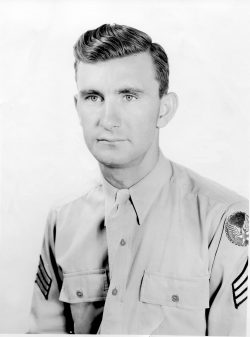
 Ben Wiplinger had a strong interest in aviation long before he began working on Wipline floats. As a child, he built his own glider in the backyard of his parent’s home. Out of concern for his safety, his parents dismantled the aircraft before he could take it on its maiden voyage. His passion for aviation grew stronger as he went on to study aerospace engineering at the University of Minnesota before moving to California to work for Douglas Aircraft for a period of time. He then returned to Minnesota to work for Northwest Air Activities and Peterson-Curtiss Flying Service at the St. Paul Airport. At the age of 25, Ben was one of only six certified aircraft mechanics working in the Minneapolis/St. Paul area. Ben was drafted into the Army Air Forces of the United States before Pearl Harbor and spent time working in Albuquerque, New Mexico, where he developed a pre-oiling system to help the performance of the bombers. He was awarded several decorations by the military for this engineering contribution.
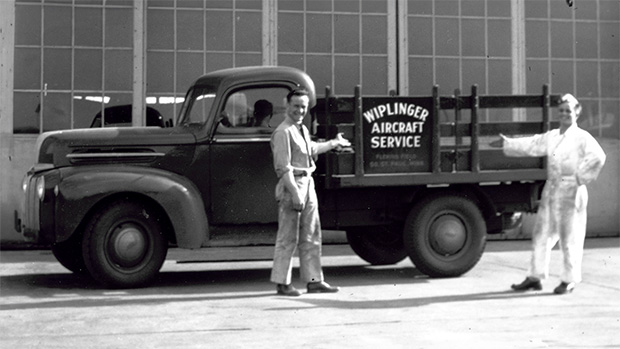
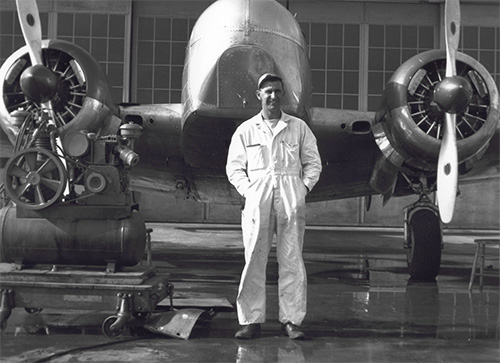 After WWII, Ben returned once again to his roots in Minnesota and began converting surplus military aircraft into corporate aircraft at South St. Paul Airport. By the close of the 1940s, Ben was operating Wiplinger Aircraft Service, an FBO offering fuel service, aircraft sales, maintenance, restoration and upholstery.
During the 1950s, Ben grew and expanded his scope of services. He purchased his first seaplane in 1951 and began flying north on fishing expeditions, thus beginning his passion for seaplane flying. He even developed an improved hydraulic system for his Edo floats. Ben sold 3M their first corporate aircraft, N3M, in 1956 while still pursuing his interest in seaplanes. One of 3M’s current aircraft still carries the same registration number. In 1959, Ben sold his FBO business to focus on the next chapter of Wiplinger Aircraft.
After the war Ben bought surplus aircraft parts and Stearman aircraft to resell as civil aircraft. Soon he was doing maintenance on Norseman’s, Beech Staggerwings and Lodestars. Then Ben started an FBO selling Cubs, Taylorcrafts and Aeroncas.
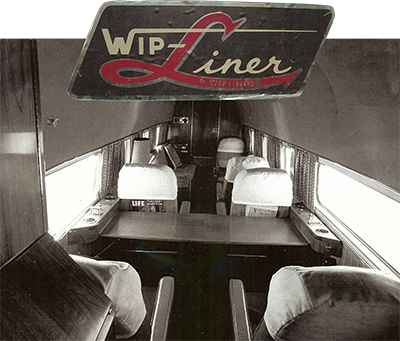
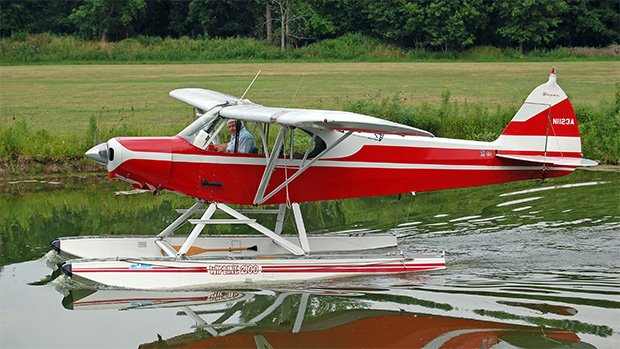
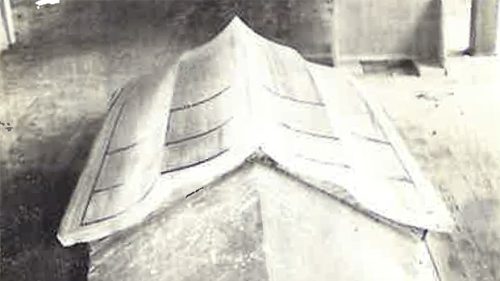
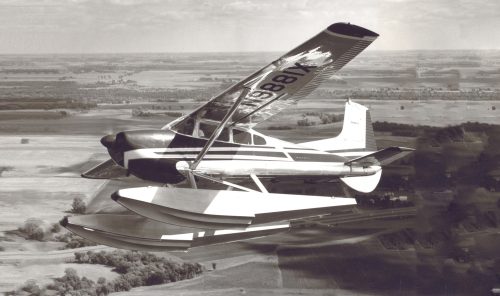
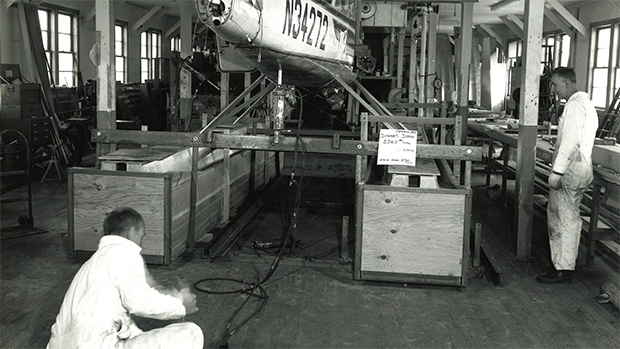
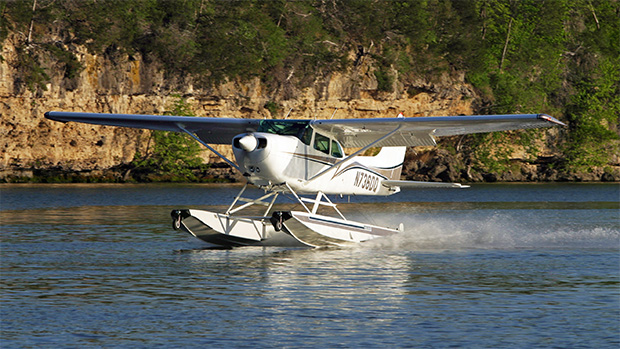
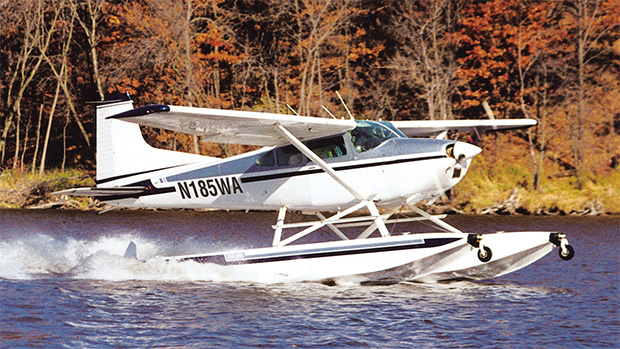
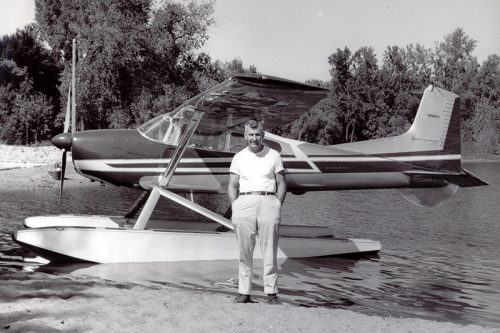 In 1960 Ben officially incorporated Wipline Inc and set to work creating his first set of floats. He purchased a Cessna 185, N9881X, to test the floats on. To create a better float Ben worked with experts at 3M to develop a metal bonding technique that would allow him to use fewer rivets and therefore acheive a smoother and lighter float. It took 3 years and $8000 to get the patent on this process but Ben knew it was the way to go. Another innovative idea was the flat top on the float. This allowed pilot and passengers to maneuver into and out of the airplane with much less risk of taking an impromptu swim. He soon sold his first set of floats. They were sold in 1962 to Ontario Central Airlines. Soon the Cessna 185 was Certified on 3700 and 3900 Floats followed by the 206 on 3700, 3900 and 3730’s. The Wipline Inc facilities were all located on Fleming Field and they produced around 30 sets of floats in these first 10 years.
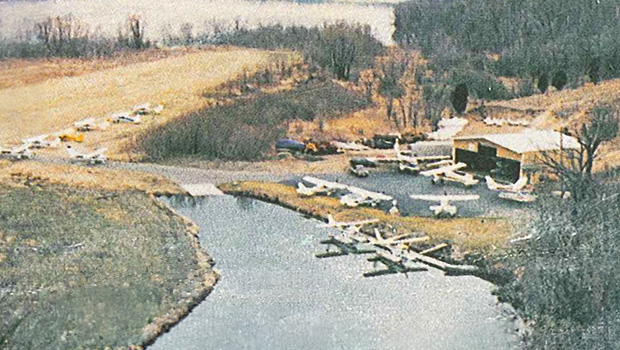
 Bob “Wip” Wiplinger began working at Wipline Inc. in 1970 after receiving his aeronautical engineering degree from U of M and spending a few years working for Honeywell. In 1971, after Ben purchased the 160 acres of land along the Mississippi River, float manufacturing moved down to the River Road facility and the seaplane base was established.
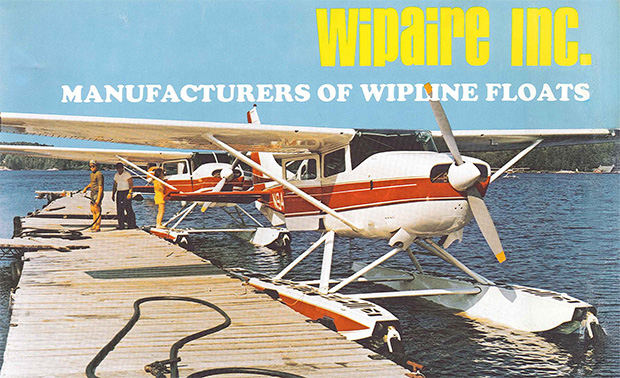
In 1974 Bob expanded our range of services by founding Wipaire, performing maintenance as a certified Cessna service center at Fleming Field. One of our brochures from the late 70’s Wipline Inc and Wipaire came together in 1979 when Bob purchased Wipline Inc from his dad. During the late seventies Ben and Bob decided to tackle a huge project, the Nomad. Though the Nomad Aircraft had a short production run and only resulted in a few sales the design for the Nomad float opened the door to other larger scale projects and became the foundation for the popular Wipline 8000 Float.
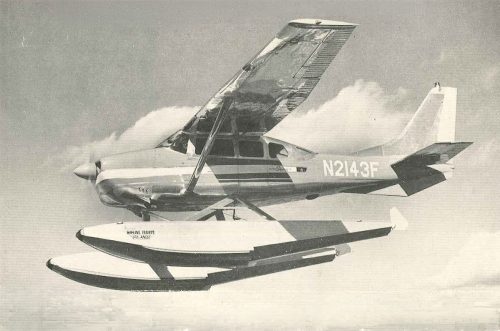
Cessna A185E is certified on 3730 Floats.
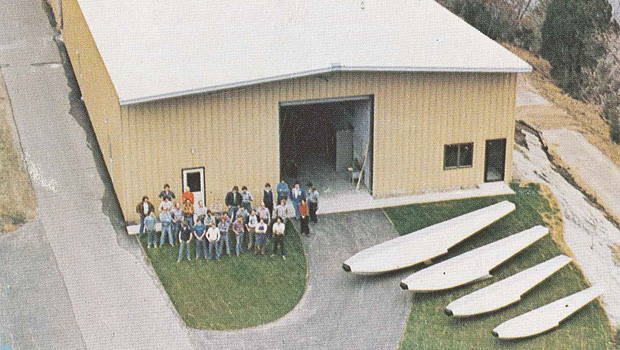
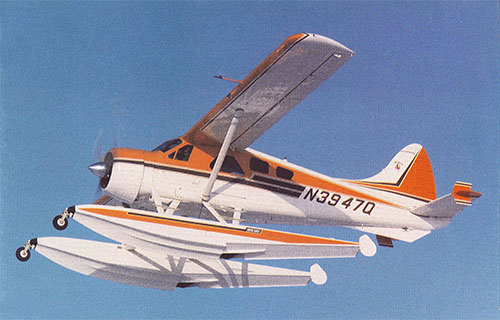 The 80’s kicked off with the introduction of the Wipline 6000 Float for the de Havilland Beaver in 1982. More than 10 modifications for the Beaver were introduced over then next few years allowing Wipaire to transform the Beaver to a true Seaplane workhorse. In 1988 the Wipline 8000 Floats for the Cessna Caravan were released. This was one of our most popular float models until it was superseded by the Wipline 8750 float. Rick Wahlman was brought on board in ‘89 to start an Avionics department to better serve our customers. The Refinishing department was also started at this time and allowed us to provide in house paint services to be sure our customers left with their dream plane. By the mid-80’s Wipaire had grown to 35 employees and had sold an incredible 700 sets of floats.
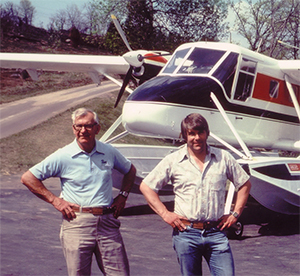 Nomad Approved on 9500 Amphibian Floats. During the late seventies Ben and Bob decided to tackle a huge project, the Nomad. Though the Nomad Aircraft had a short production run and only resulted in a few sales the design for the Nomad float opened the door to other larger scale projects and became the foundation for the popular Wipline 8000 Float.
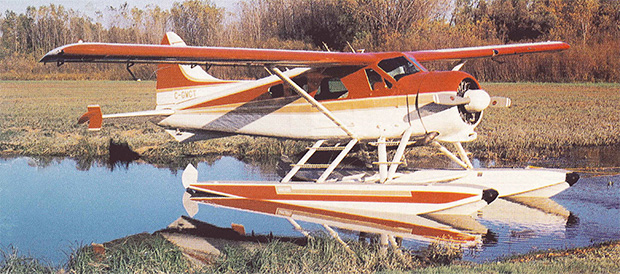
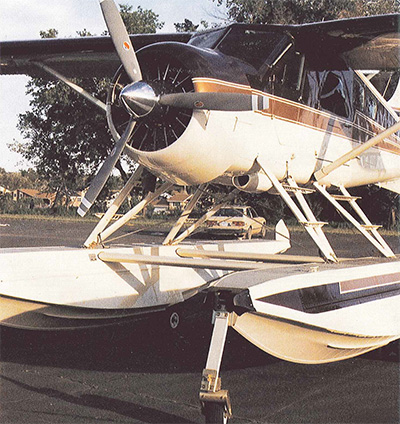 The Wipaire Super Beaver is introduced. This incorporated all the Beaver mods offered by Wipaire, plus an airframe restoration second to none.
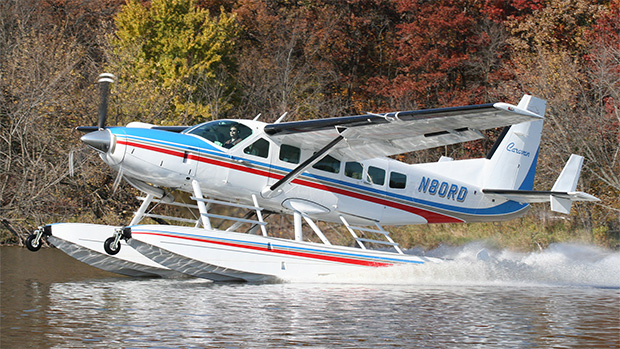
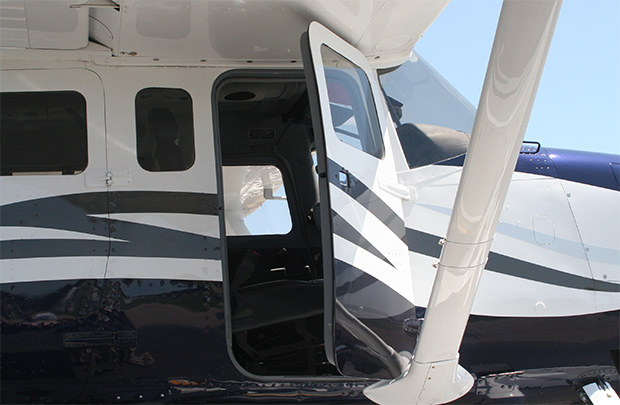
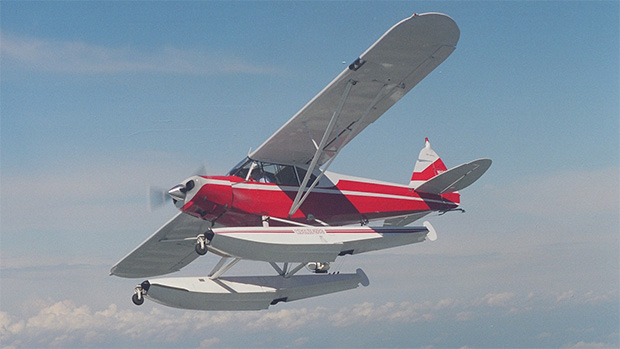
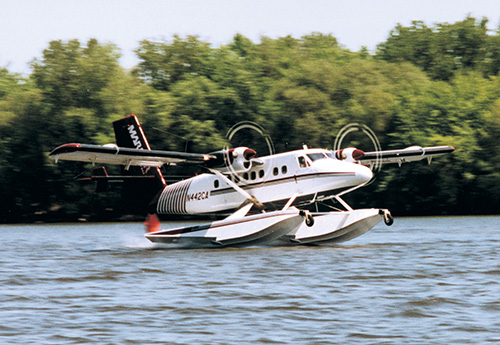 The 90’s saw many new modifications and float certifications. The Cessna 206 co-pilot door and “Wip” tips wing extensions, gross weight increases for the Piper Cub and Cessna Caravan, and numerous other modifications were certified. Our largest floats ever, the Wipline 13000, were certified on the Twin Otter in 1992. Our interiors shop was also opened to provide a well-rounded service experience.The “Boss Beaver” was introduced in 1996. It combined a selection of our beaver modifications, a turbine engine and our 6000 floats to create a true performance seaplane. The smallest float in the Wipline family was introduced in ‘97, the Wipline 2100. The 2350, 3000 and 4000 also joined the team in the 90’s.
 The new century kicked off with the next generation of Wiplingers coming to work for Wipaire. Nancy started in 2000 and Charlie came to Wipaire in 2003.
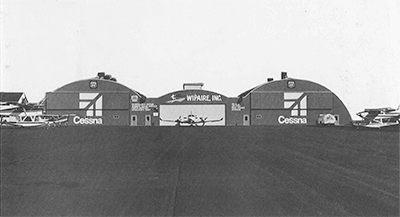
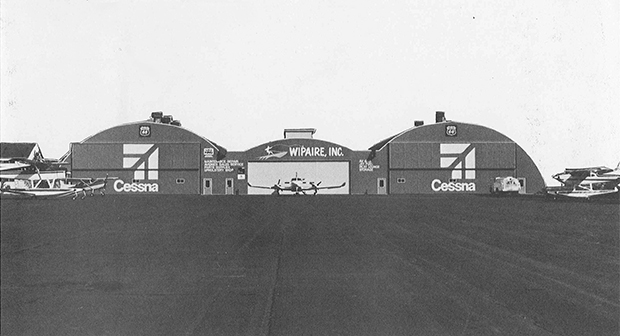
Wipaire’s main offices moved to the new Hangar 1 facility on Fleming Field in 2001.
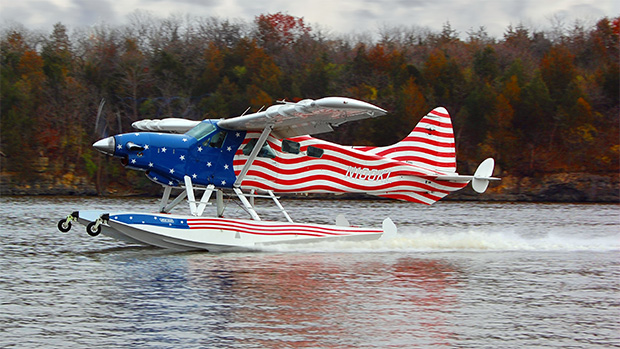
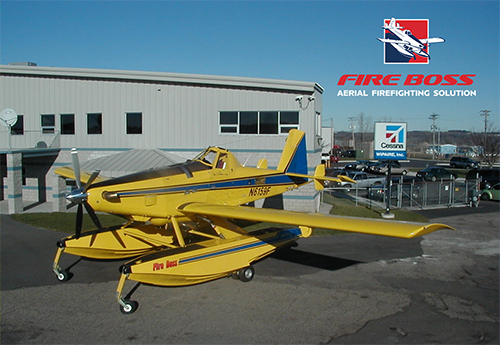
In 2003 the Fire Boss was introduced. There are now 200+ Fire Boss aircraft in operation as an initial response air tanker fighting fires around
the globe.
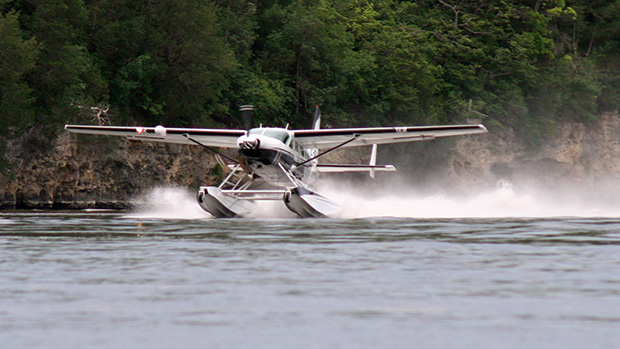
Wipaire received Supplemental Type Certification (STC) of their most recent addition to the Wipline family of products, the Wipline 7000 Amphibious Float installed on the KODIAK, on June 11th, 2010. The KODIAK certification program took roughly three years to complete and included 287 test flights, totaling 162 hours of flying. The hulls are modeled after the successful Wipline 13000 Floats, which have improved rough water handling qualities for float-equipped aircraft. The new floats include the traditional Wipline flat top deck for easy loading and safety. The main gear system has been completely redesigned, which improves reliability and makes for easy maintenance.
Wipline 3450 Floats Certified for Cessna 206 and 185. Also the Beaver 5600 LB Gross Weight Increase was approved.
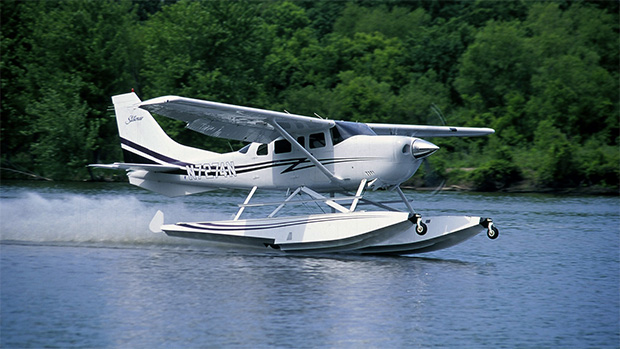
Wipaire’s Main Office Moves to a New Modern Facility on Fleming Field. We also added many of the Maule models to our Seaplane family by receiving STC’s for Wipline 2350 and 3000 Floats.
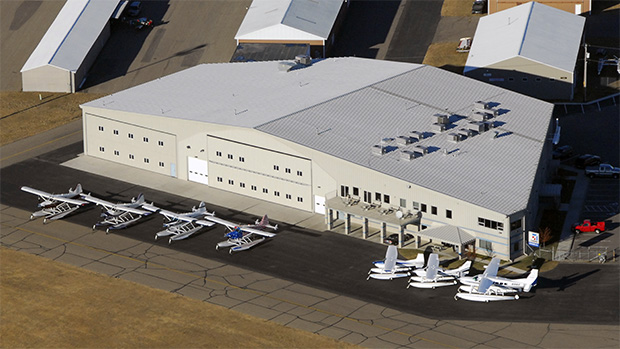
The Fire Boss amphibious water bomber is certified and begins its work as an initial response air tanker fighting fires around the globe.
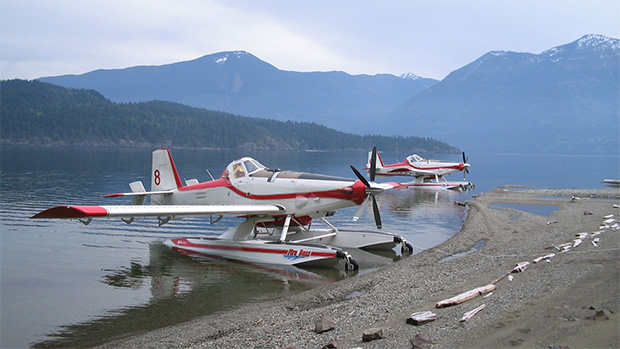
Fire Boss Dual Seat and 1600 hp Conversions are certified.
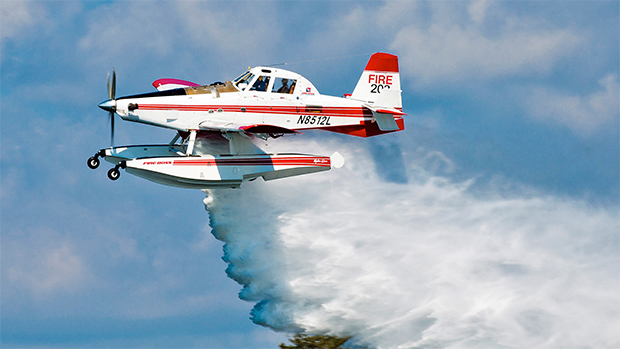
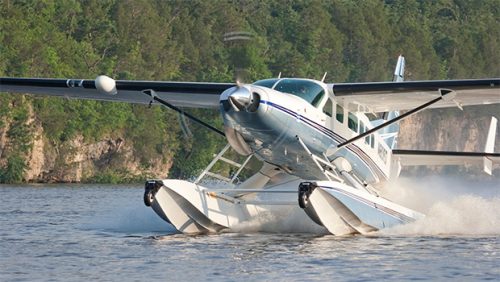
After 25 years in production and nearly 200 sets in use around the world, Wipaire retired the Wipline 8000 float for the all-new Wipline 8750 float in 2012. The Wipaire engineering team drew upon the successes of the Wipline 7000 and 8000 floats to reinvent this new float for the Cessna 208 Caravan, featuring improved rough water handling qualities and a redesigned main gear system for increased reliability and easy maintenance. The Wipline 8750 was certified in July 2012 on the Cessna 208 Caravan. Certification was received for the Cessna 208B Grand Caravan and the Grand Caravan EX on Wipline 8750 floats in July 2013.
In addition to creating floats for new markets, Wipaire is dedicated to continually improving our existing product line. In 2014, Wipaire received approval for the new Laser Gear Advisory System and the Boss 182 engine conversion on the Cessna 182. Coupled with gross weight increases, the Lycoming IO-580 engine conversion transforms the Cessna 182 into a versatile and high-performance floatplane.
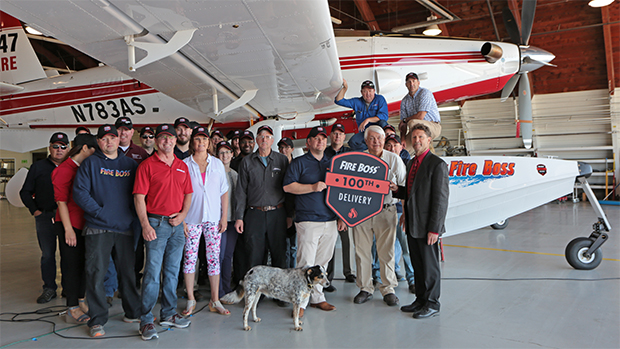
The 100th Fire Boss was delivered to Air Spray in spring of 2019. Fire Boss equipped aircraft currently operate in North America, South America, Europe, Asia and Australia.
The Wipline 8750 was certified in July 2012 on the Cessna 208 Caravan. Certification was received for the Cessna 208B Grand Caravan and the Grand Caravan EX on Wipline 8750 floats in July 2013.
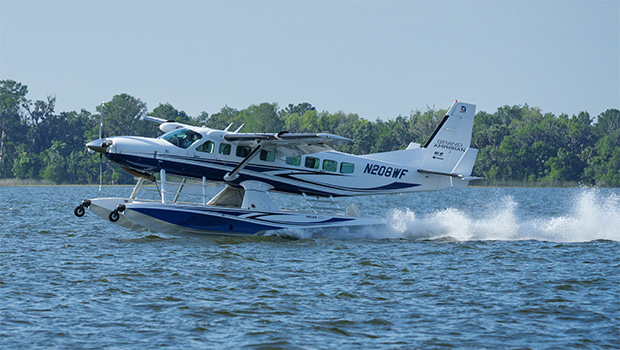
The new system is centered around a laser array “eye,” which detects if the aircraft is over water or land
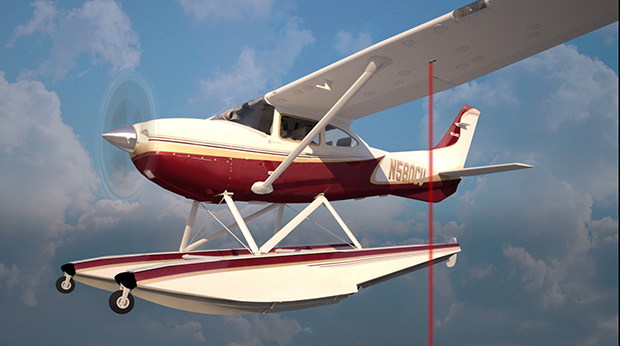
Wipaire received approval for the Boss 182 engine conversion on the Cessna 182. Coupled with gross weight increases, the Lycoming IO-580 engine conversion transforms the Cessna 182 into a versatile and high-performance floatplane.
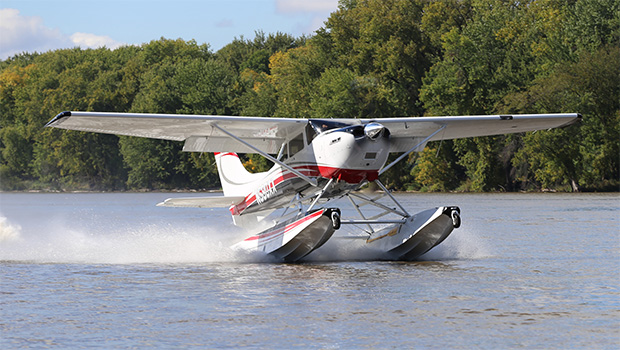
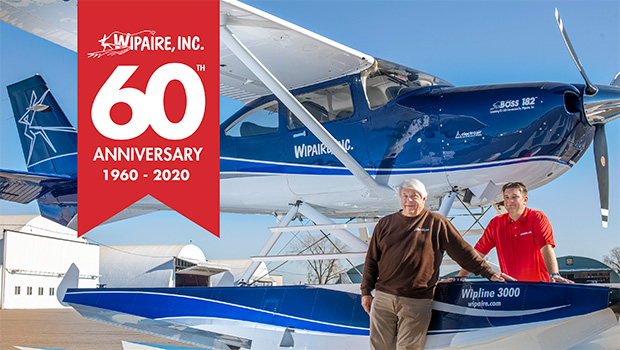
 In 2020, Wipaire celebrated 60 years of building Wipline floats. The new year also brought changes to leadership at Wipaire. Bob “Wip” Wiplinger entered semi-retirement and his son, Charlie Wiplinger, took the helm as CEO. Bob served as President since 1979 when he purchased the company from his father and founder, Ben Wiplinger. Wip continued to serve as Chairman of the company. Charlie had held the title of President since 2011 and he is now President & CEO.
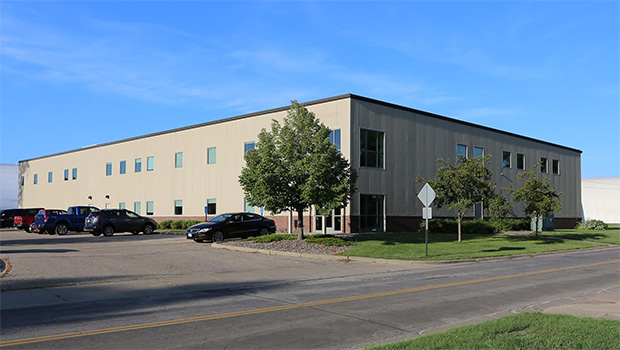
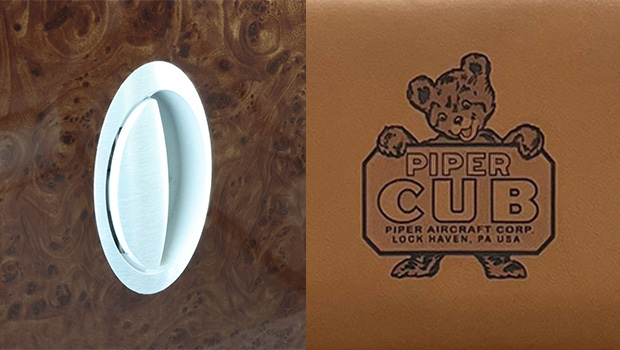
This decade also brought more facilities, better spaces and new tools to better serve our valued customers. In 2022 Wipaire invested in a remodel of our manufacturing facility at Westgate. Reimagined workspaces, production floor, break rooms and customer areas, bringing in elements of light and nature for a modernized environment. Then in 2023 Wipaire purchased and renovated the former BRS factory building at KSGS to be the site of Wipaire Engineering. The department had outgrown it’s space in our Hangar 1 headquarters long ago and this new home allowed them to bring their projects to life in a specialized R&D workspace. The improvements were not limited to new spaces. Our interiors department invested in a new hydro pattern system that allows for beautiful wood grain finishes without the weight and sensitivity of wood veneer and a laser etcher to create custom designs on leather.
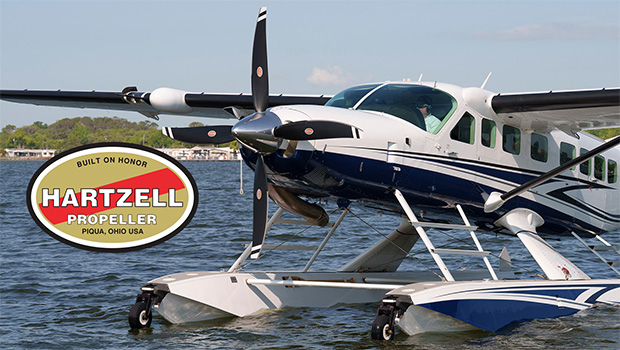
The legendary Cessna Caravan also got on upgrade with the certification of our new prop option, the Yukon by Wipaire and Hartzell Propeller. It reduces take-off distances by up to 31% on water and 26% on land, enhancing utility and safety on smaller lakes and runways and at 137 lbs, it’s also up to 19 lbs lighter than other props.
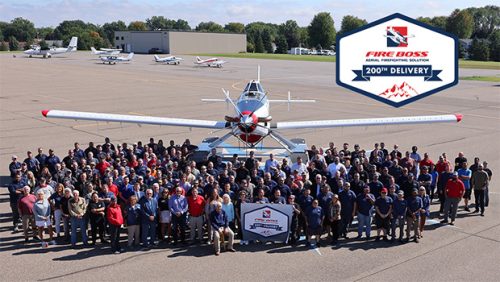
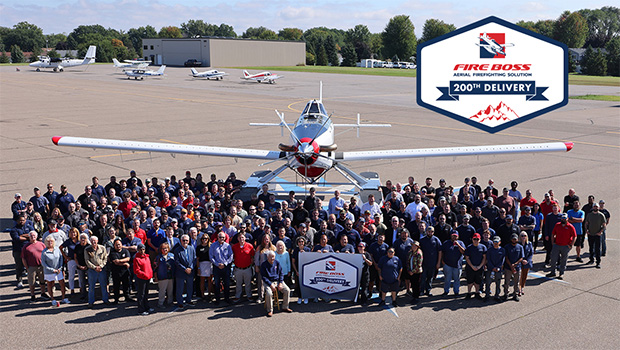
In 2025 employees, industry partners, representatives from state and local government and media gathered the celebrate the delivery of the 200th Fire Boss. The Fire Boss now operates within 5 continents, eliminating wildfire and saving homes, lives and property.
In 2020, Wipaire celebrated 60 years of building Wipline floats. The new year also brought changes to leadership at Wipaire. Bob “Wip” Wiplinger entered semi-retirement and his son, Charlie Wiplinger, took the helm as CEO. Wip continued to serve as Chairman of the company.
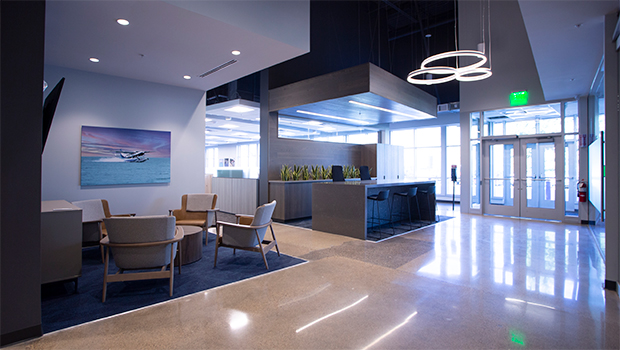
Reimagined workspaces, production floor, break rooms and customer areas, bringing in elements of light and nature for a modernized environment.
Purchased and renovated former BRS factory building at KSGS to be the site of Wipaire Engineering
Our interiors department invested in a new hydro pattern system that allows for beautiful wood grain finishes without the weight and sensitivity of wood veneer and a laser etcher to create custom designs on leather.
Full composite four blade propeller certified for wheeled and floated Caravan 208 & 208B, engineered and developed through collaboration with Hartzell Propeller
Employees, industry partners, representatives from state and local government and media gathered the celebrate the delivery of the 200th Fire Boss. The Fire Boss now operates within 5 continents, eliminating wildfire and saving homes, lives and property.
 Bob Wiplinger passed away peacefully on August 4th, 2026. Bob, or ‘Wip’ as he was widely known, loved aviation from the time he was a boy following his father’s footsteps at Fleming Field Airport, refurbishing warbirds into corporate aircraft. Bob graduated from the U of M with a degree in Aeronautical Engineering before he continued his father’s legacy in aviation, saving the world from bad floats! He worked as the chief brains of product design at Wipaire. He befriended employees, customers, vendors, neighbors and anyone else who dropped by. Wip was also known for his love of animals, including his pet black bear, Willy, his parrot, Fred, and many dogs, cats and injured birds he found along the way. Wip was honored with many awards from the aviation community including the FAA Wright Brothers Master Pilot award and being inducted into the Minnesota Aviation Hall of Fame. History may show his greatest contribution to society will be the Fire Boss, an Air Tractor agriculture aircraft fitted with floats for scooping water and fighting wildfire. His design has saved the lives and property of countless people around the globe.